Accessibility
One of the main benefits of podcasts for older adults is that they can be listened to at any time from anywhere, making them the perfect pastime for those who may have mobility or transportation issues. Popular podcast platforms include Spotify, Google Podcasts and Apple Podcasts, all of which are simple to download and navigate. When it comes to accessibility, podcasts can also be listened to at a comfortable volume, which can be beneficial for those who may have hearing difficulties.
Education and Engagement
Listening to podcasts allows the elderly to stay engaged with the world around them, as well as providing a source of entertainment and information. The content of podcasts can teach the elderly new things and keep them informed about current affairs. Many podcasts cover a wide variety of topics, from news and current events to history, science and technology. With this in mind, our top 10 podcasts for the elderly are as follows, in no particular order:
Desert Island Discs – BBC Radio 4
Woman’s Hour – BBC Radio 4
In Our Time – BBC Radio 4
Two Cups of Tea – Chris Heath
You Must Remember This – Karina Longworth
That’s After Life! – Adrian Mills and Esther Rantzen
Who Do You Think You Are? – BBC Sounds
National Trust Series
Connectivity
Podcasts can also be a great way for older adults to stay connected with others. Many podcasts have a community aspect, as people will listen to the same podcasts as their family and friends and then discuss them together. This doesn’t just apply to existing connections – it allows people to make new friends with others who share similar interests, too.
Mental Stimulation
Another benefit of podcasts for older adults is that they can help to improve mental stimulation. Listening to a podcast requires concentration and focus, which can help to keep the mind active and sharp. This can be especially beneficial for older adults who may be at risk of cognitive decline or memory loss.
Podcasts are a popular way for older adults to stay informed, entertained and connected. With a wide variety of topics and formats to choose from, there’s something for everyone. We hope that our article has provided some inspiration to grab a pair of headphones and get listening!
Here at Bondcare, we see first-hand how our residents benefit from mental stimulation such as listening to podcasts and audiobooks, particularly those living with dementia. Not only that, each of our care homes has its own dedicated activities coordinator who creates a schedule of events for the residents to get involved in to improve their physical and mental wellbeing. To find out more about any of our care homes located across the UK, get in touch with our experienced team today.
]]>Whether residents are spending the festive season in a care home for the first time or they have had several Christmasses there, it’s important for staff and families to consider how the residents are in terms of their physical and mental health now and not in years gone by. Symptoms of physical and mental diseases, such as Parkinson’s, dementia and Alzheimer’s, can mean that certain plans might need rethinking, but certainly not scrapped altogether.
It’s an opportunity to get creative and reinvent Christmas celebrations – this article will provide tips on how to celebrate Christmas in a care home so residents can feel a part of something special.
Trips
For residents who want to buy presents for loved ones themselves and are physically mobile enough to get out and about, a trip to the local shops can be an exciting outing. Residents might also want to attend local Christmas church services and fairs which can make for a fun day out. For those who are less mobile, visits from friends and family in their home can be uplifting and get them in the Christmas spirit. Here, they can take part in different festive activities together and create new memories in the comfort of the care home.
Activities
There are plenty of activities that residents, staff, and visiting family and friends can get involved in, including:
- making and writing cards
- crafting decorations
- baking tasty treats
- watching Christmas films
- singing and dancing to Christmas music
It’s important that residents are given the opportunity to suggest their own Christmas ideas and feel engaged in the decision making process.
Celebrations
When it comes to Christmas celebrations, it’s often easiest for family and friends to visit residents at the care home they reside in. That way, they can enjoy all the festivities while still receiving the care they require and following a routine they’re familiar with. Christmas can be a difficult time for residents who have lost loved ones or are perhaps disappointed that they can’t be in their own homes, so it’s important to keep Christmas plans flexible so that residents don’t feel pressured into anything.
It’s also worth noting that some residents may have other religious beliefs and festivals they celebrate, so this must be incorporated into planning.
Traditions
Drawing on traditions the residents have previously experienced during the festive period and the ways they used to celebrate Christmas helps immensely in the planning process. Perhaps they would always stock up on particular food or drinks, or maybe they used to make a signature dish that they can now help to recreate. Whatever the tradition, there is always a way it can be incorporated into Christmas at their care home.
Music
Playing familiar festive songs can remind care home residents of fond memories of a moment in time from their past. Their love of a particular song or artist might even be shared by one of the other residents or staff members, so it makes for a great talking point and gives them a chance to socialise.
For some live entertainment, local charities, community groups and schools often go carol singing at care homes around the festive season.
Gifts
Knowing what Christmas gifts to buy for a loved one in a care home can be challenging, as it will predominantly depend on their physical and cognitive capabilities. Popular choices include:
- Nightwear or a new dressing gown
- Framed photos or photo collages of loved ones
- Magnifying glass for reading books or magazines
- Puzzles
- CDs of their favourite music
Overridingly, the best gift a care home resident can receive is time with their loved ones, whether that is in person or via video calls, so family and friends are encouraged to find a date in their diary to pay a visit.
If you are searching for a trusted care home in your local area for yourself or a loved one, look no further than Bondcare. Our teams have a wealth of industry experience caring for the elderly from all walks of life – simply get in touch today to find out more or to book a home visit.
]]>Establishing this kind of connection can help combat social isolation and loneliness amongst the elderly, improving their mental health and well-being. This article will take a look at the different benefits of pen pals for seniors, along with suggested content for the letters and how to sign up.
What are the benefits of pen pals for seniors?
With the technical age we live in, pen pals might seem a somewhat antiquated concept. However, this is far from the case – in fact, many people comment that writing letters allows them to express themselves more effectively than other forms of communication, and this is particularly true amongst the elderly.
Some of its benefits for seniors include:
- It provides a great chance for the elderly to socialise, particularly the more introverted
- It’s an ideal form of communication for seniors who are hard of hearing
- It allows the elderly to learn from someone else’s life experiences, which can broaden their perspective, build empathy and even inspire them to take up a new hobby
- It stimulates the brain as it requires seniors to choose the most suitable words they want to use and organise their thoughts, whether they are writing by hand themselves or with the help of a family member/carer
What should you write about in your letters to a pen pal?
When writing to a pen pal, it’s important to make sure the letter flows naturally with a conversational style – this can be achieved by asking open-ended questions and writing as you speak. That said, try to avoid using overly colloquial language, as this may be unfamiliar to the recipient and might confuse them. Make sure you keep a positive tone and avoid any information that is personal or sensitive, such as bank details.
Suggested talking points for your letters can be:
- Hobbies you are interested in
- Books you like reading
- Films and TV shows you enjoy watching
- Any future life plans on the horizon
Sharing stories and experiences is important, as it can help trigger memories for those living with dementia and test parts of their brain that they might not otherwise use.
How can you sign up to a pen pal scheme?
If you are feeling inspired and would like to sign up to a pen pal scheme in the UK, there are several different ones available, including Omega, Home Instead, The Write Partnership and the SCCCC.
This isn’t limited to the UK, however – there are other popular online pen pal services that can connect people across the globe, including Global Pen Friends and PenPal World.
Just remember: when you have finished your letter and sent it off, make sure you request a letter in return, and be patient for a reply as there is no predetermined frequency and seniors might take longer to compose their response.
At Bondcare, we encourage our residents to participate in a wide range of activities to help build friendships and keep their minds and bodies active. With care homes across the UK, you can find a Bondcare home near to you – you are not limited by location. To find out more, contact our experienced team today.
]]>To help you understand the benefits of music for dementia and the ways it can be included in dementia care, the team at Bondcare has put together this article.
What Are the Benefits of Music for Dementia?
It is estimated that there are currently 850,000 people living with dementia across the UK. As a cure has not yet been discovered, it is important to find effective ways to manage symptoms and improve quality of life. Music is one of the most practical ways to achieve this and there are many benefits it offers to those living with dementia:
- Music alleviates anxiety and agitation, offering a creative outlet to process emotions.
- One of the most difficult elements of dementia is social isolation. Music and singing are inherently social activities and act as a useful tool in bringing people together.
- Language and music use separate parts of the brain. Therefore, even if speech and language skills have deteriorated, music can still be used as a communication tool.
- Those living with dementia will have different needs and abilities. Musical activities can be easily adjusted to suit varying levels of participation and ensure everyone is comfortable and included.
- Musical memory is a form of implicit memory. It is unconscious and automatic, remaining even in the latter stages of a dementia diagnosis. There are famous examples of this: Tony Bennett and Glen Campbell are two singers who were able to perform in the late stages of their illnesses.
- Music stimulates the senses, which can help when managing chronic pain. It also promotes relaxation and rhythmic breathing, which can be used to evoke a calmer response from the nervous system.
Ideas to Include Music in Care
There are many ways music can be incorporated into dementia care. One of the most popular methods is via a choir; this offers a regular social activity and promotes mental well-being.
Additionally, musical instruments could be included. For those who’ve never played instruments before, this would provide a creative outlet and form a new memory. This would also prompt muscle memory recall for those who are experienced musicians.
Another way to include music in care is to make a personalised playlist; this would act as an auditory scrapbook. There are many memories you can associate with music – whether that be first dances, nursery rhymes or concerts enjoyed – and this is an easy way to encourage reminiscing. Having a music quiz would also evoke memory recall, as well as offer a chance for group collaboration.
How Does Music Impact Care?
The music we like is a good indication of who we are. It can help carers get to know their residents better and assist in forming a picture of the individual beyond their diagnosis. Music can also be used to transform daily routines and make them more upbeat, offering a morale boost to both residents and carers alike. It is a valuable way to facilitate quality time with both caregivers and family members, helping to form stronger relationships.
Here at Bondcare, we understand the importance of using music to help connect with residents. We are dementia care specialists, with multiple homes across the country. Our compassionate teams take pride in providing dignified care for every individual and forming strong relationships with all our residents.
To find out more about any of our homes, contact our expert team today.
]]>This year’s National Day of Arts in Care Homes has had an international theme, with participation encouraged from all around the world. This is to help develop a global network where residents, staff, families and friends can share ideas on how to engage with the arts and tell stories of how they have seen the benefits.
How did the National Day of Arts in Care Homes start?
This annual event is led by the National Activity Providers Association (NAPA), which is the UK’s leading activity and engagement charity. They provide care services with support to “prioritise wellbeing and promote activity, arts and engagement”. This includes care homes, home care providers, intermediate and respite care, and many more.
How can care homes increase art engagement?
There is a wide range of art forms residents can take part in – cooking, singing, dancing, music, crafts, to name just a few! It’s a great opportunity to don a creative cap and think up some fun, engaging activities for people to get involved with, such as:
- Quilt making
- Singalongs
- Bake off competitions
- Scrapbook making
- Exercise sessions
- Sensory interaction
- Role play, e.g. caring for dolls, dressing up in clothes from the past
- Memory walls with images of famous people from the past, landmarks and locations
Get those living in the care settings involved in the planning and decision making by asking what they would like to do and finding out if there are any creative dreams they haven’t yet managed to fulfil. This could be to recite a poem, play an instrument to an audience or to learn a new skill such as knitting or embroidery. This also gives residents the chance to teach others a new skill that they have a passion for, giving them a sense of purpose and boosting their confidence.
What are some theme ideas?
This year, NAPA has aimed to connect care settings across the globe to create an international #FieldofFlowers where people can produce drawings, paintings, photographs or even 3D models of flowers. They can then share the photographs online using #AICH2022 #FieldofFlowers so people across the world can link up and see the different contributions.
For 2022’s international theme, care settings might choose to centre their celebrations around different nationalities and cultural backgrounds; this could involve food, costumes, crafts, decorations, and much more!
Other themes you might choose to take inspiration from are:
- Seasons
- Interests and hobbies
- Memories
- Animals
- Nature
What are the benefits of art in a care home?
Choosing a theme gives residents of a care home something to focus on and work towards, helping to improve their cognitive functioning, creative thinking and memory.
Touching different ingredients, painting different textures, listening to different music and tasting new foods will stimulate the senses and can trigger positive emotions and memories.
Collaborating with other care home residents creates a sense of community and helps improve social and communication skills. Some might usually be introverted and only interact briefly with others, but expressing themselves through the arts, such as singing, dancing or poetry, can open up a form of communication for them.
Activities such as creating a memory wall and scrapbook making can really help those with dementia as they look through photos and retell stories from the past. This can enhance people’s emotional well-being, helping to combat stress and anxiety.
At Bondcare, each of our care homes across the UK has a full weekly schedule of activities to keep residents entertained, active and inspired all year round. By investing in different ways to increase arts engagement at our homes, we see our residents gain more independence and improve their general well-being.
]]>To help you navigate through this and prepare for the move, the team at Bondcare have put together a list of nine tips for making a care home bedroom more homely.
1. Sentimental Items
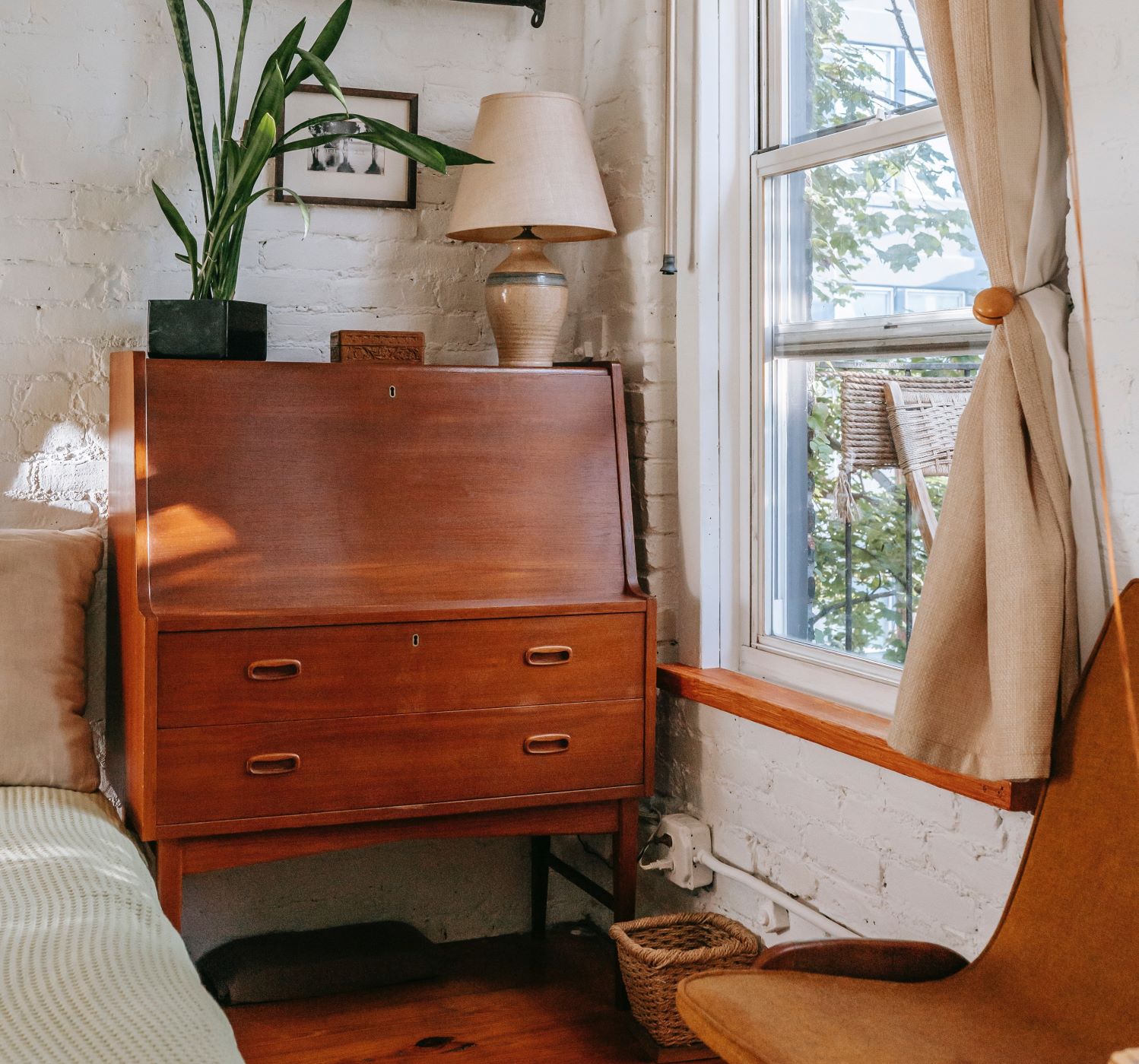
Bringing sentimental items which carry great nostalgic value, such as family heirlooms, travel souvenirs, childhood toys and ornaments, can be an excellent way of making the place feel like home.

2. Familiar Scents
A familiar scent or smell can instantly transport people to a moment in time or a happy place. Using similar air fresheners, room diffusers and sprays to the ones from home can help with reminiscing and create a comfortable living space.

3. Photographs and Prints
Having photos on display in the bedroom will encourage residents to share stories and memories. Hanging photos of friends and family members, holidays and special occasions is a great way of adding a personal touch to the room and will make residents feel close to their loved ones.

4. Mirror Layout From Home
Another great idea to convert the new environment into a familiar space is by copying the layout from home. This can be achieved by positioning an armchair in a particular place within the room, hanging up photos on a certain wall or arranging ornaments on a table in a specific way, to name just a few suggestions.
5. Inject Colour
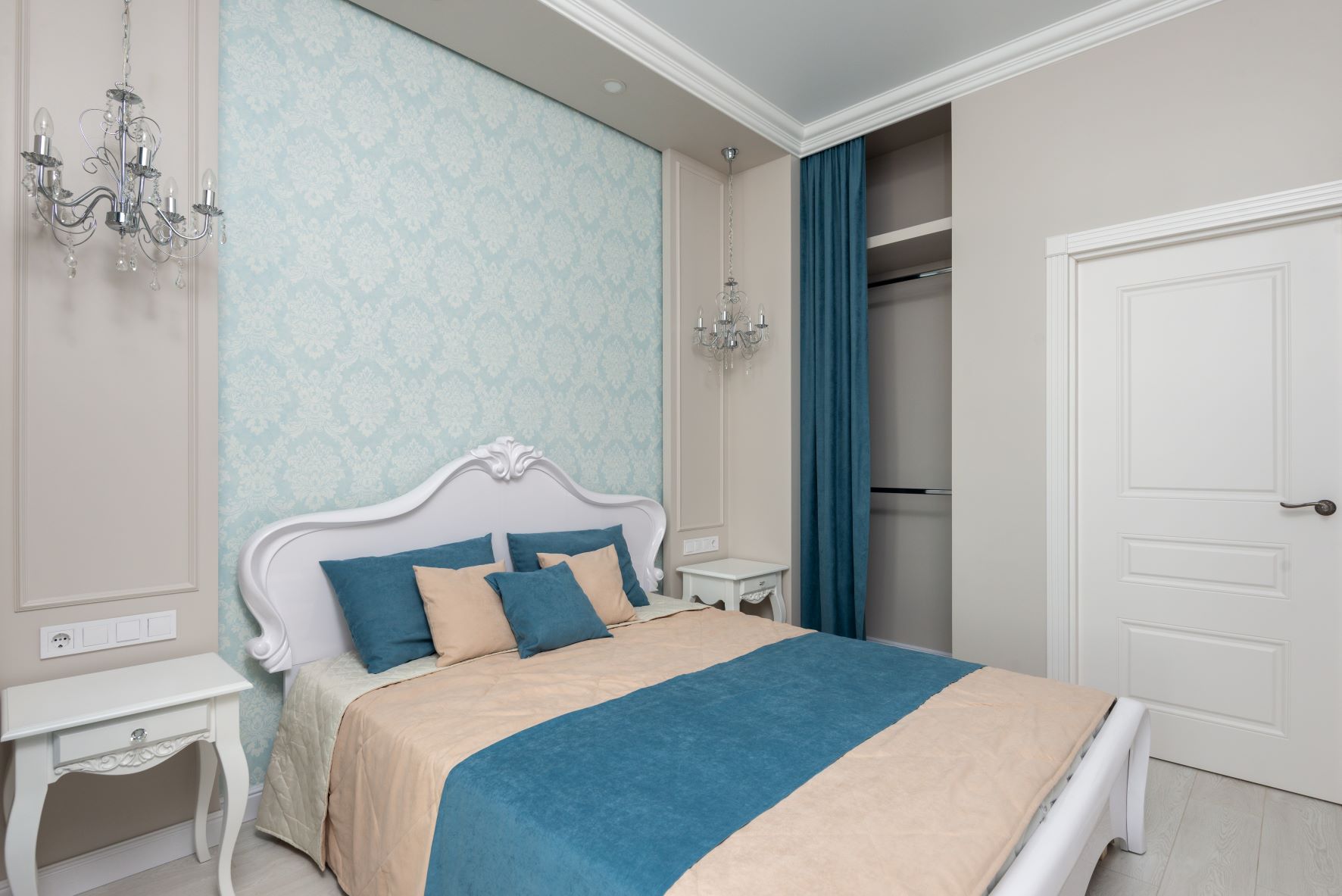
If approved by the care home, decorating the bedroom will assist in creating a homely space. Perhaps residents would like to replicate the decor from home or they’d prefer to try something new, giving them the opportunity to paint the walls and furnish the room however they would like is a brilliant way of making the space feel more homely.
6. Furnishings
When anyone moves properties, having their own furniture can provide that all-important finishing touch to a room, and moving into a care home is no different. An armchair, a dresser or favourite bedding can hold great sentimental value and allows residents to feel comfortable surrounded by items they cherish most.
Again, this must be approved by the care home as the furniture must be fire retardant, so residents and their loved ones will need to consult someone at the facility first.

7. Music Devices
For most people, music plays a significant role in their lives, with certain songs or compositions able to evoke strong emotions — it’s also an excellent way of re-living fond memories. Having a CD player, radio or vinyl player in a bedroom at the care home can help residents relive precious moments from the past.

8. Hobbies and Pastimes
Following a familiar routine gives residents a sense of purpose and belonging. As such, having items close to hand that allow them to continue with their hobbies and interests, such as knitting or puzzles, gives them easy access to the pastimes they enjoy and enables them to maintain independence.

9. Plants and Flowers
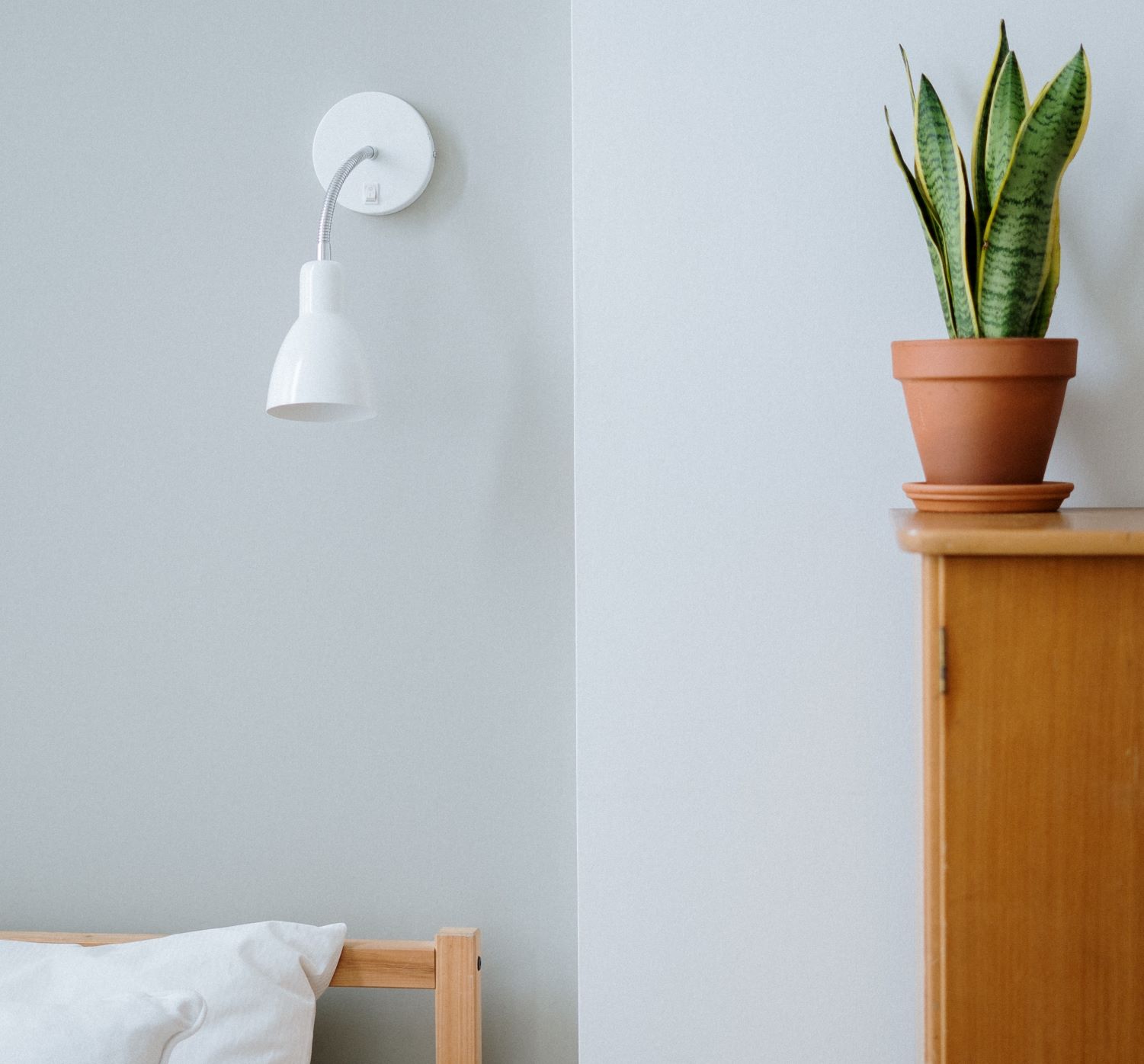
The addition of some greenery in a care home bedroom makes a space look brighter and feel cosy. Artificial flowers and succulent plants are great options as they give that homely look without the intensive upkeep.
It is worth noting that there will be different rules for different care homes based on health and safety requirements. Here at Bondcare, we aim to make each room in our care homes as comfortable as possible for residents to create a home away from home.
We understand how important it is for them to have a familiar environment so that they feel settled and maintain their independence. We are more than happy to answer any questions on what adjustments can be made to bedrooms in our care homes so that residents and their loved ones can plan their stay with us accordingly.
To find out more, get in touch with our experienced team today.
]]>- Type of care
First and foremost, you must establish what type of care your family member or friend will require so you can filter your search for a care home accordingly. The different options include:
- Residential care
- Dementia Care
- Alzheimer’s care
- Respite or short stay care
- Elderly care
- Physical disability care
- Nursing care
If you are unsure, please contact a healthcare professional who can assess your loved one and advise you on the most suitable option.
2. Research Potential Homes
Above all else, it is essential to make sure the care homes you are researching provide the specialist care your loved one requires. Once this has been confirmed, there are several things to consider:
- Location: parking, local amenities and transport links
- General facilities: food, languages spoken, garden area, activities schedule
- Room facilities: en-suites, telephone points, Wi-Fi access
It’s also recommended to check the CQC rating of the care homes you are researching and have a look through their report so you have a better overview of the home from a professional perspective.
Customer reviews are also a good way of gaining an insight into what life is like for those living at your chosen care homes.
And finally, it’s worth checking to see if your family or friends have any recommendations based on their own experiences.
3. Consider costings and funding
Before creating your shortlist of care homes, it’s hugely important that the options you have been researching fit within your budgetary requirements. Request a price list directly from the care home and look into whether there is any financial help on offer if required.
Click here to find out more about the funding options available.
4. Create a shortlist
Once you have found a list of potential care homes that fit your requirements, it’s time to whittle your choices down to a select few. There’s no hard and fast rule for this, but try to highlight your favourite 3-5 care homes so you can progress to arranging a visit.
5. Arrange a visit
Although it might be tempting to commit to a home you like the look of, you must pay a visit to your shortlisted care homes and see them first hand. That way, you can make sure they live up to the brochures and websites you have been reviewing.
In preparation for the visit, it’s useful to note down a few things you would like to ask while you are there, such as:
- What safety measures are in place to reduce the risk of falls?
- What is their visitor policy?
- Can residents bring their own furniture?
- Are there menu examples to look at?
- Can residents have assistance eating when required?
- Are dietary and cultural requirements catered for?
- Is there an activities coordinator?
- Are there lifts/handrails/raised seats fitted?
During your tour, it’s important to pay close attention to your first impressions; it should feel like a home away from home for your loved one, so consider how inviting the space and staff are. Take this opportunity to see what the other residents are doing and how well maintained the different rooms and outside spaces are.
Finally, check the availability at each care home so you know when they have the capacity to accommodate more residents.
For the highest standard of assisted living wherever you are in the UK, look no further than Bondcare. For details on each of our care homes, take a look at our ‘find a care home’ page or get in touch with our team today. You can also book a visit to any of our care homes across the country by giving us a call and we’ll take care of the rest.
]]>In this article, we will cover the benefits regular exposure to nature can bring for older people, allowing them to lead active and enriched lifestyles from the comfort of their care home.
What Are the Benefits of Being Around Nature for Older People?
For those living with dementia, connecting with nature has been proven to have a calming effect, helping to reduce any frustration, confusion, anger or anxiety they might be experiencing. In turn, this can help to lower stress, blood pressure and heart rate.
Filled with different sights, smells and sounds, the outdoors is an amazing sensory environment on our doorsteps. By stimulating the senses, it can evoke memories for those living with dementia and enable them to share stories and reminisce. Whether going for a walk or enjoying a relaxing sit down in the sun, being outdoors brings with it the chance for older people to socialise; something that can instantly boost their mood and aid memory recall.
Engaging with the natural surroundings and focusing on something other than screens allows the brain to recharge and helps to improve sleeping patterns which strengthens the immune system. Spending a short amount of time in the sun provides older people with the best natural source of vitamin D, a nutrient that they need to maintain bone health.
What Are the Different Ways Older People Can Be Around Nature?
Find a Favourite Spot to Sit In
Take a seat and enjoy watching the surrounding wildlife and nature; this can either be outdoors or from a room with a view.
Plants
Bring the beauty of the outdoors in with the addition of plants in bedrooms and shared areas. Popular choices are succulent plants and pots of herbs on the windowsill.
Bird Feeders
Bird feeders are an excellent way of bringing nature nearer to the home. Some older people might see it as an opportunity to get crafty and create their own feeder, while others might like to take part in a monthly bird spotting club. Whatever the activity, bird feeders are a great way of getting older people to engage with nature.
Greenhouses
For those who are green-fingered, tending to fresh produce in greenhouses and watching it grow captures the attention of older people and they can enjoy the reward of eating the fruits of their labour in their meals.
Well-Maintained Gardens
Taking part in a spot of gardening can give older people a sense of purpose and independence which has a positive effect on their self-confidence and makes them feel more fulfilled. There’s even an opportunity to arrange a competition with friends to see whose sunflower grows the tallest.
Trips to Local Parks
For older people who are able to do so, taking a trip to a local park is a great way of being around nature – we recommend choosing one with a cafe to enjoy a hot drink or ice cream during the visit!
Indoor Activities
The beauty of nature is that older people don’t have to go outside to enjoy its benefits. Watching wildlife from the comfort of home inspires many to get creative and make their own pictures, poetry and stories.
At Bondcare, we see the benefits living with nature can have on our care home residents first-hand. With care homes across the country, we pride ourselves on providing our residents with beautiful gardens, fun activities and trips to local parks so they can enjoy everything the great outdoors has to offer at their own pace. To find out more about any of our homes, please get in touch with our experienced team today.
]]>